Why Stablecoin Wallets Are Critical for Modern Financial Products
Modern Treasury’s Stablecoin Wallets connect stablecoins and traditional financial systems through one API and unified ledger. Businesses can power global USD accounts, programmable payments, instant transfers, and smarter liquidity management.

The way people and businesses send, hold, and receive money globally is changing.
Stablecoins and tokenized assets are enabling a once-in-a-generation platform shift. Though, stablecoins in isolation are handicapped in their ability to transform how the world moves money. Tokenized money needs to interact seamlessly with the traditional system. We need a next generation of “accounts” that are compatible with them.
That’s where Stablecoin Wallets come in. Stablecoin Wallets are the account layer for the next generation of financial products.
Earlier this month, we launched non-custodial Stablecoin Wallets in partnership with Turnkey. This is a major step forward in making stablecoins and next-gen accounts compatible with the traditional financial system.
Our customers are already putting this infra to work. Depa uses wallets to enable stablecoin-native cross-border payments, Morse uses them to connect people around the world to the U.S. financial system, and OneDosh is building a remittance platform for people globally to get paid instantly.
These companies serve different users and solve different problems, but they’ve converged around the same truth: stablecoins are an incredibly powerful tool, and the infrastructure layer is now capable of abstracting away much of the complexity such that everyday users and businesses can benefit from them.
Wallets that coexist alongside traditional bank accounts are a huge opportunity now for platforms serving individuals and businesses alike.
Onchain payment execution is only one part of the equation
Sending an onchain transaction is often the easy part because blockchains were built to move value.
To build a complete stablecoin product, teams often stitch together providers for wallets, bank accounts, fiat payments, liquidity, identity verification, compliance, ledgering, and reconciliation. The end-user experience may look simple with a balance and a “Send” button, but the infra underneath remains fragmented.
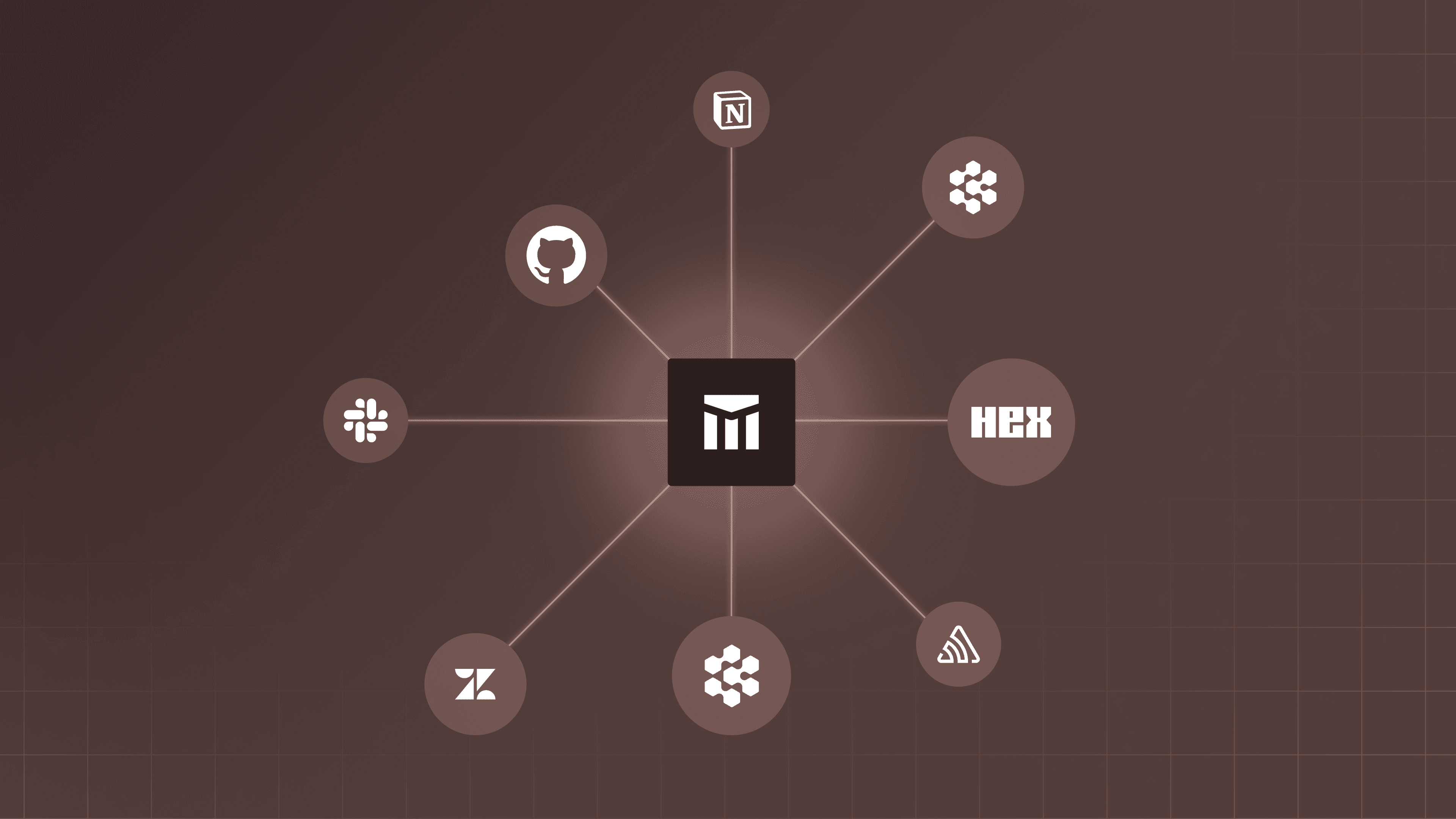
That’s the problem Modern Treasury’s Stablecoin Wallets and Global USD Accounts were built to solve. Together, they provide one API and one ledger across fiat and stablecoin flows.
Platforms also don’t need to choose one custody model for every use case. A business can hold operational assets through Paxos while offering self-custodied wallets to end users, all on the same underlying infra.
Stablecoins require a next-generation account layer
Stablecoins make money always available, globally accessible, programmable, and native to software. Visa’s Onchain Analytics reports $8.5 trillion in stablecoin volume during the first six months of this year.
But stablecoins cannot transform how the world moves money in isolation. They need to work with the traditional financial system.
Payment rails move value from one place to another. Accounts give that value somewhere to originate, land, and live. Wallets extend that account layer to stablecoins, so platforms can receive, hold, route, govern, reconcile, and program money.
With Modern Treasury, platforms can build with stablecoins in the same way they build with fiat.
By connecting fiat and stablecoin rails in a single platform, we’re enabling financial products that were previously difficult, or impossible, to build. Below are a few of the use cases we’re powering today.
- Global access to dollar-denominated products - Platforms can give eligible users in more than 90 countries a named U.S. account with unique routing and account numbers, alongside a Stablecoin Wallet. Users can receive, hold, and send dollar-denominated value without the product committing to a single payment rail, and funds held in fiat for payments may qualify for FDIC pass-through insurance through our banking partners.
- Programmable financial experiences - Platforms and startups can build products around escrow, marketplace settlement, milestone-based payouts, automated treasury sweeps, controlled spending, or other workflows in which balances and payments respond directly to product logic.
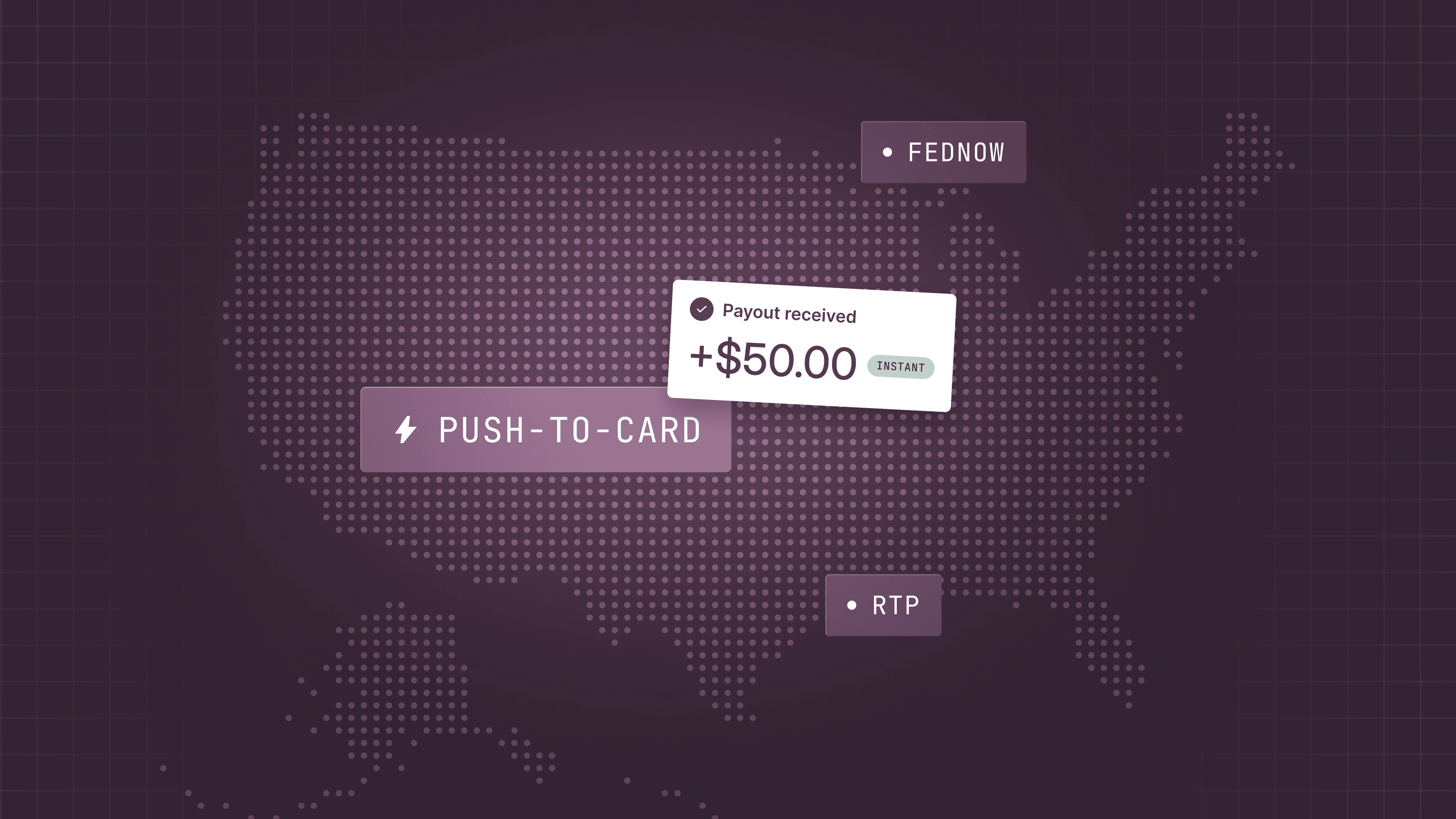
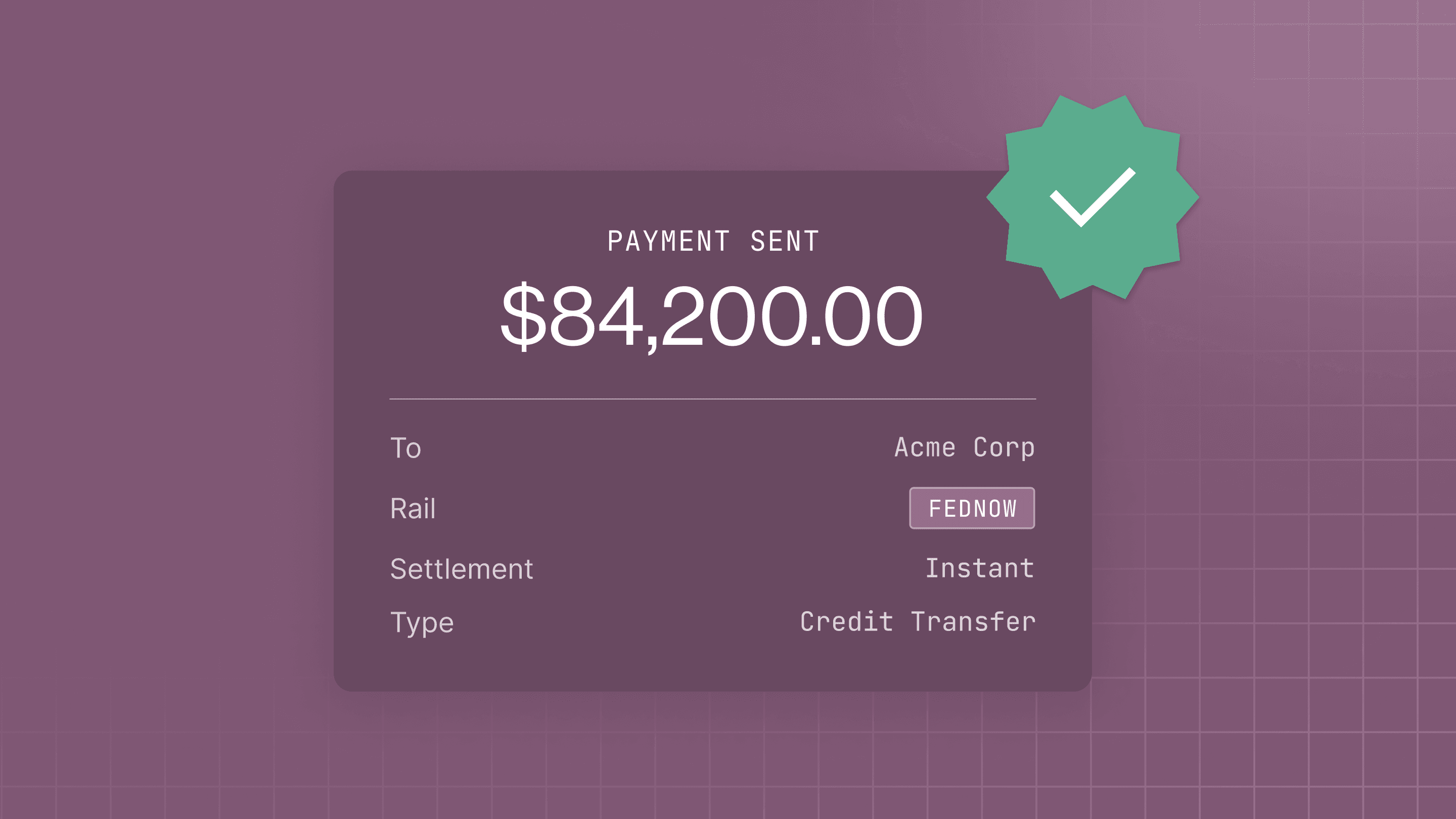
- Faster access to spendable funds – Stablecoin balances can connect to U.S. instant-payment systems such as RTP, FedNow, and push-to-card for real-world spending. On the other hand, we support ACH debits to give users a familiar experience if they desire to convert USD and spend in stablecoins.
- Next-gen liquidity management – Platforms can use stablecoins to reduce the pre-funding burden they'd otherwise carry across payment corridors, freeing up capital that would sit idle in multiple regional accounts.
- Machine-native payments – AI agents and other emerging systems can connect to stablecoin balances, powering programmatic financial products that wouldn't be possible on traditional rails.
We're still early in understanding everything this new account layer will make possible. Our focus is making sure that as new use cases emerge, teams have one unified platform capable of supporting them across both fiat and stablecoins.
If you’re interested in learning more about Modern Treasury’s Stablecoin Wallets, visit moderntreasury.com/solutions/stablecoin-wallets.
Get the latest articles, guides, and insights delivered to your inbox.
Authors

Daniel Mottice is Head of Stablecoins at Modern Treasury. Previously, he led teams at Visa Crypto and Visa Direct Payouts, where he helped build infrastructure for instant disbursements and digital asset payments.